iLOOminate
借光公厕








Credits
Location: Central Village, Mazha Town, Longmen County, Huizhou City, Guangdong
Province, China
Status: Completed Oct, 2025
GFA: 61.63sqm
Architectural & Interior Design Consultant: Studio 10
Principal-in-charge: Shi Zhou
Design Team: Liuqing Liu, Yifan Hu, Ziqi Wang, Jiaxiao Bao (Project Assistant), Jingwei Zhang, Chunyu Li (Intern)
Client: People's Government of Mazha Town, Longmen County
Overall Planning & Coordination: Shanghai Fengyuzhu Culture & Tech Co.,Ltd.
Graphic Design: Hangzhou Jibaike Brand Design Co., Ltd.
Photos by: Chao Zhang
项目信息
项目地址:中国广东省惠州市龙门县麻榨镇中心村
完工时间:2025年10月
建筑面积:61.63平方米
建筑及室内设计团队:Studio 10
主管合伙人:周实
设计团队:刘柳青、胡一帆、王子琪、包嘉晓(项目助理)、张经纬、李春雨(实习)
委托方:龙门县麻榨镇人民政府
总体策划与协调:上海风语筑文化科技股份有限公司
标识设计:杭州几百克品牌设计有限公司
摄影师:张超
iLOOminate
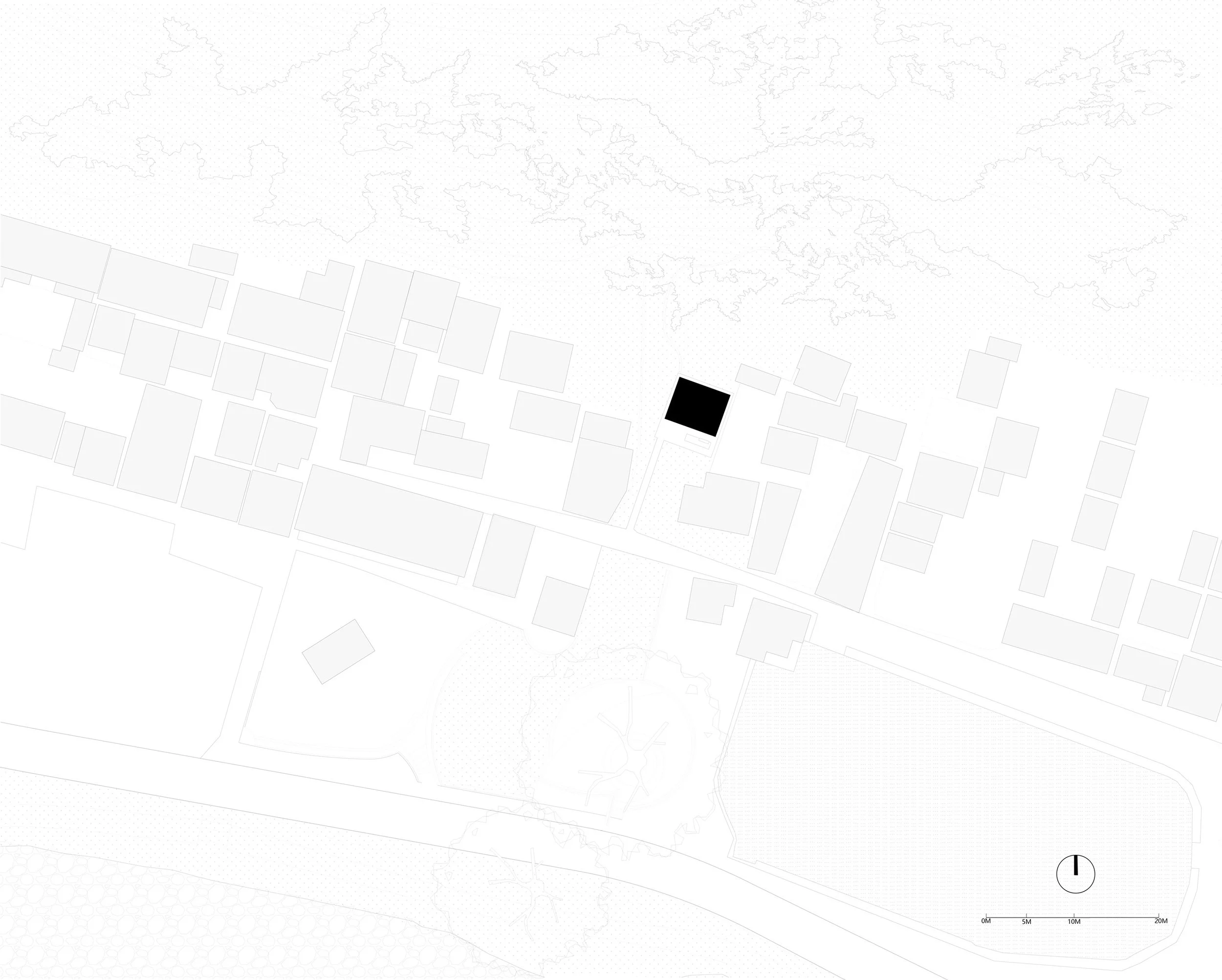
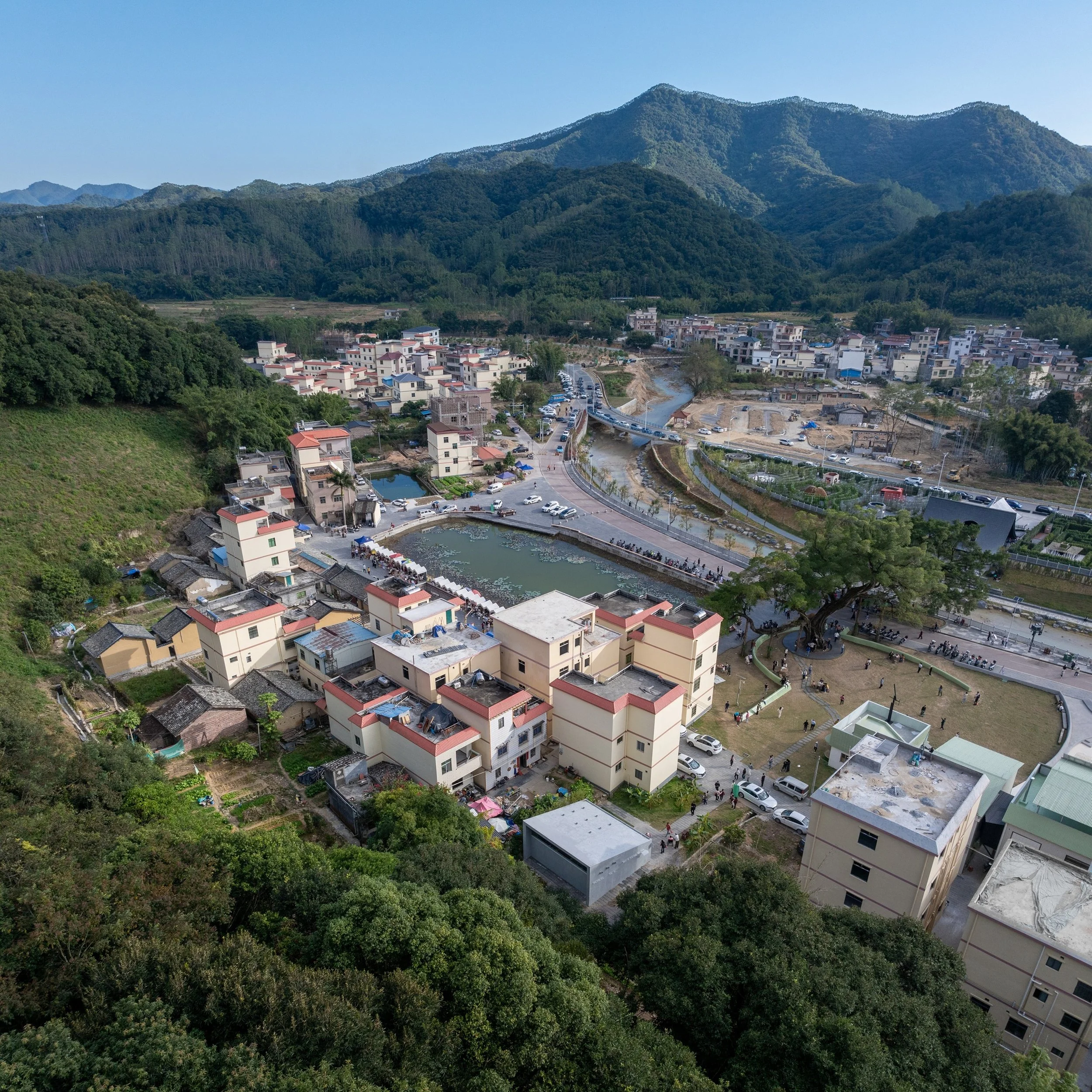
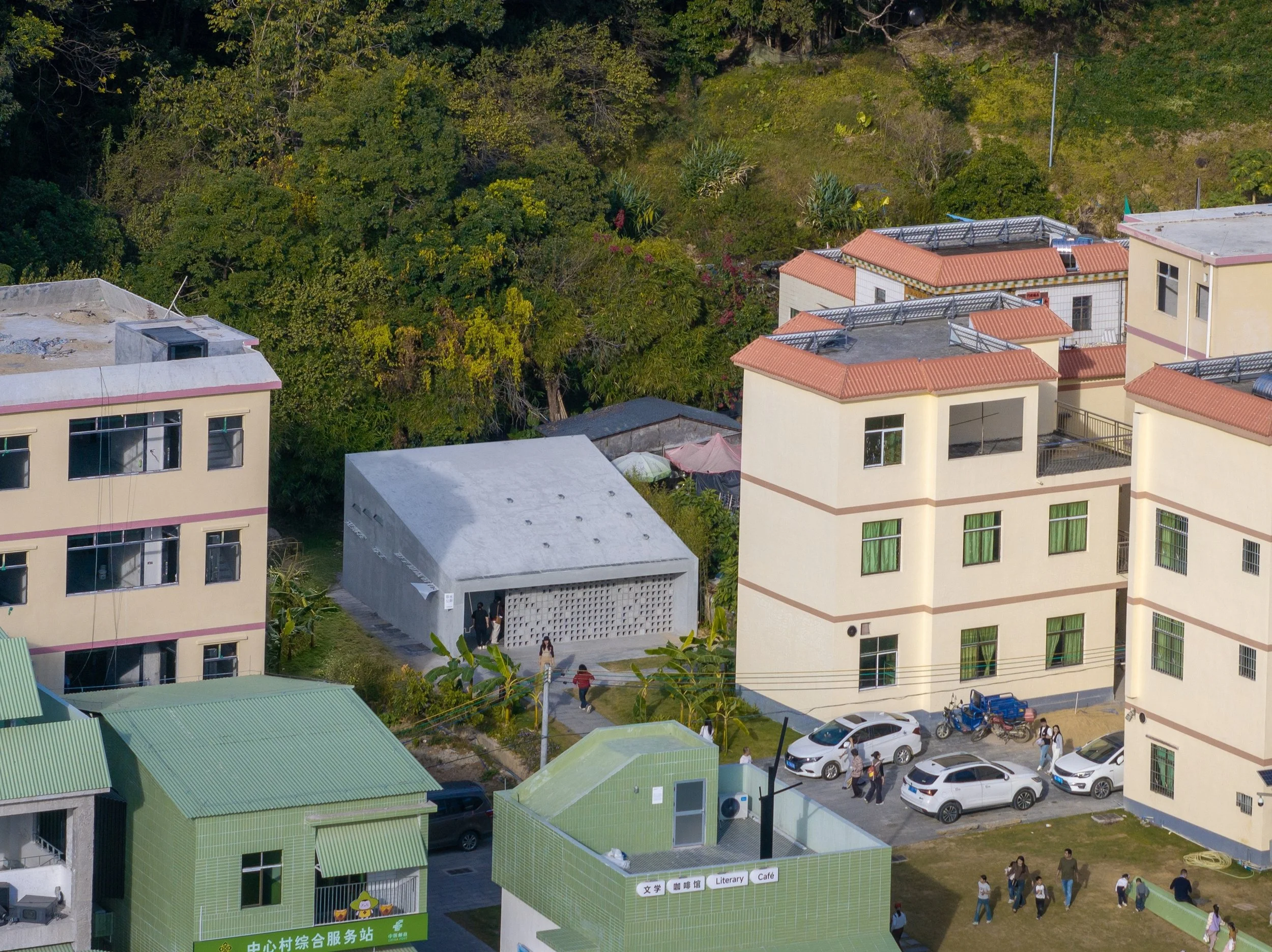
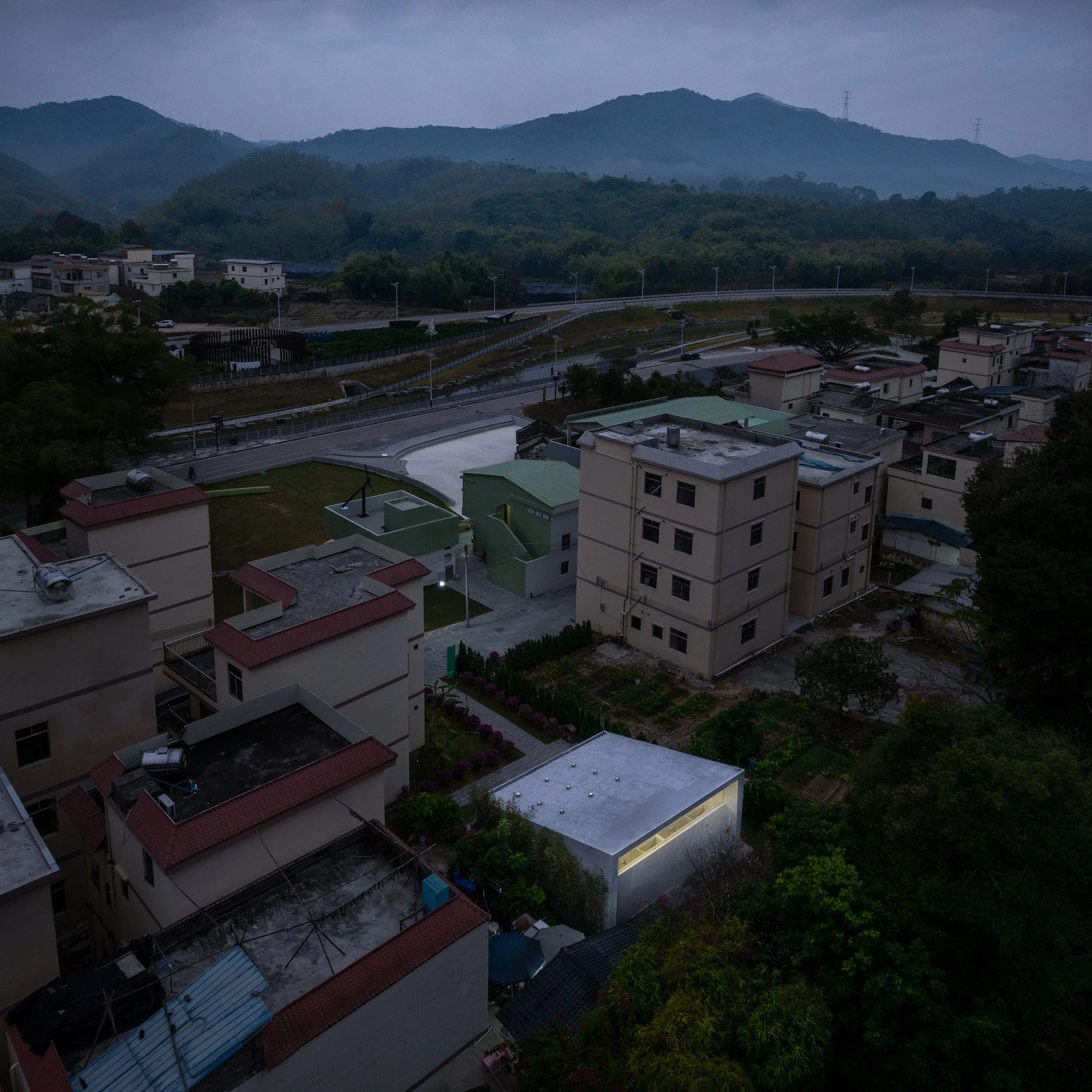
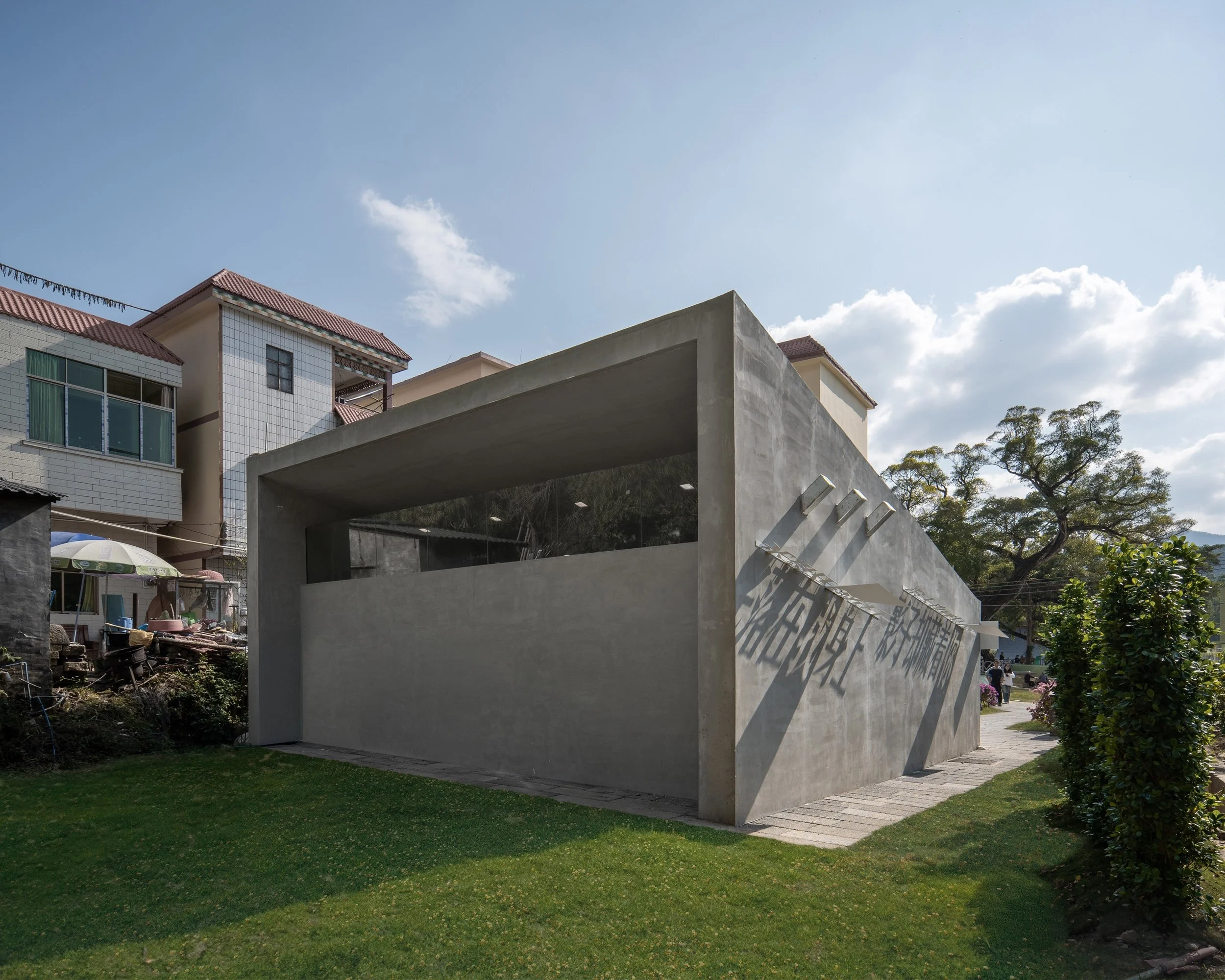
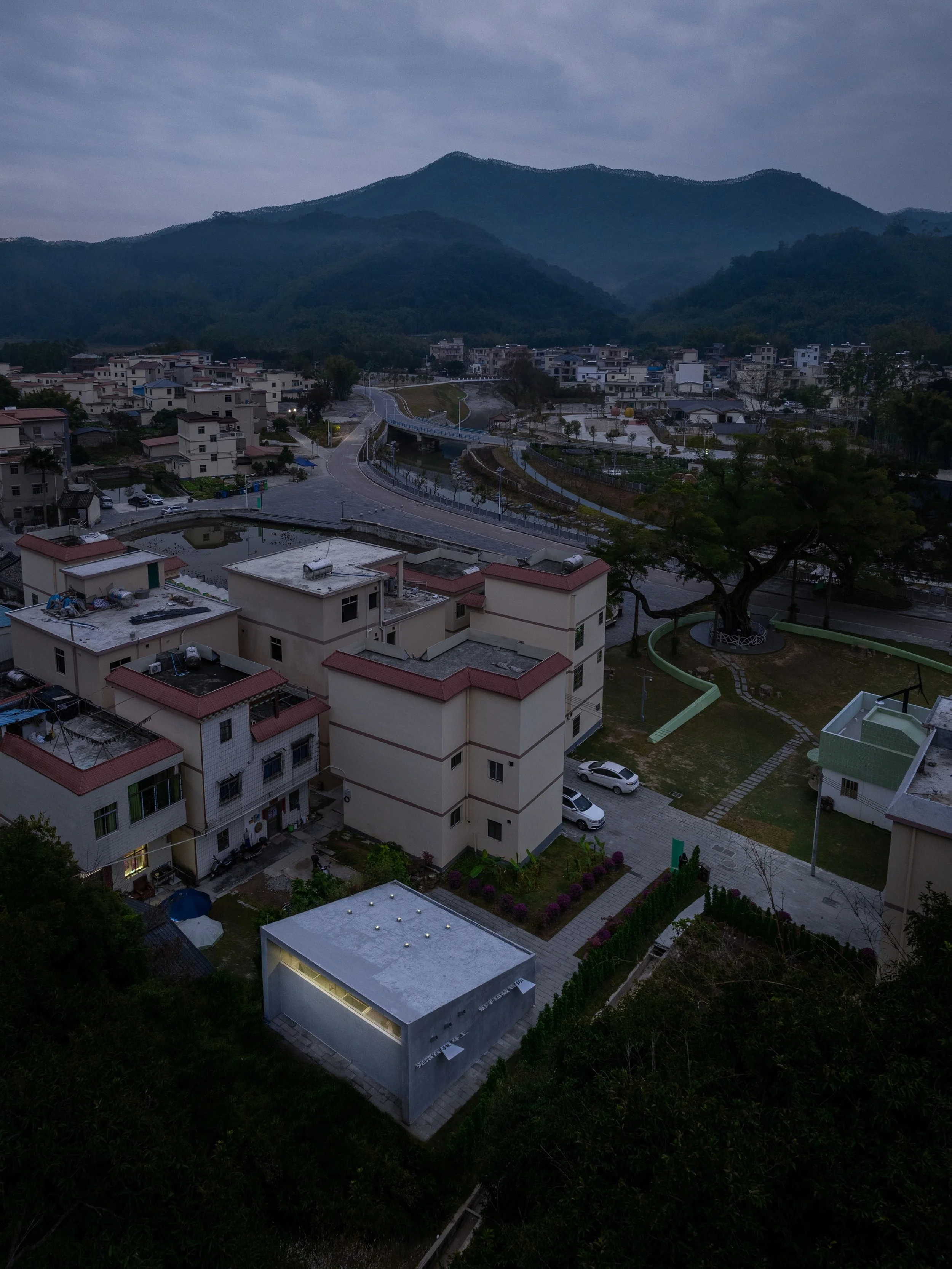
Situated in Zhongxin Village, the iLOOminate Public Toilet is a pivotal supporting facility of the South Kunlun–Luofu Mountain Architectural Art Programme. The project undertakes the renovation and upgrading of the village's original public toilet, retaining the site's inherent spatial context. Preliminary field research reveals that while many villagers have private bathrooms in their homes, they still prefer using the village's sole public toilet.
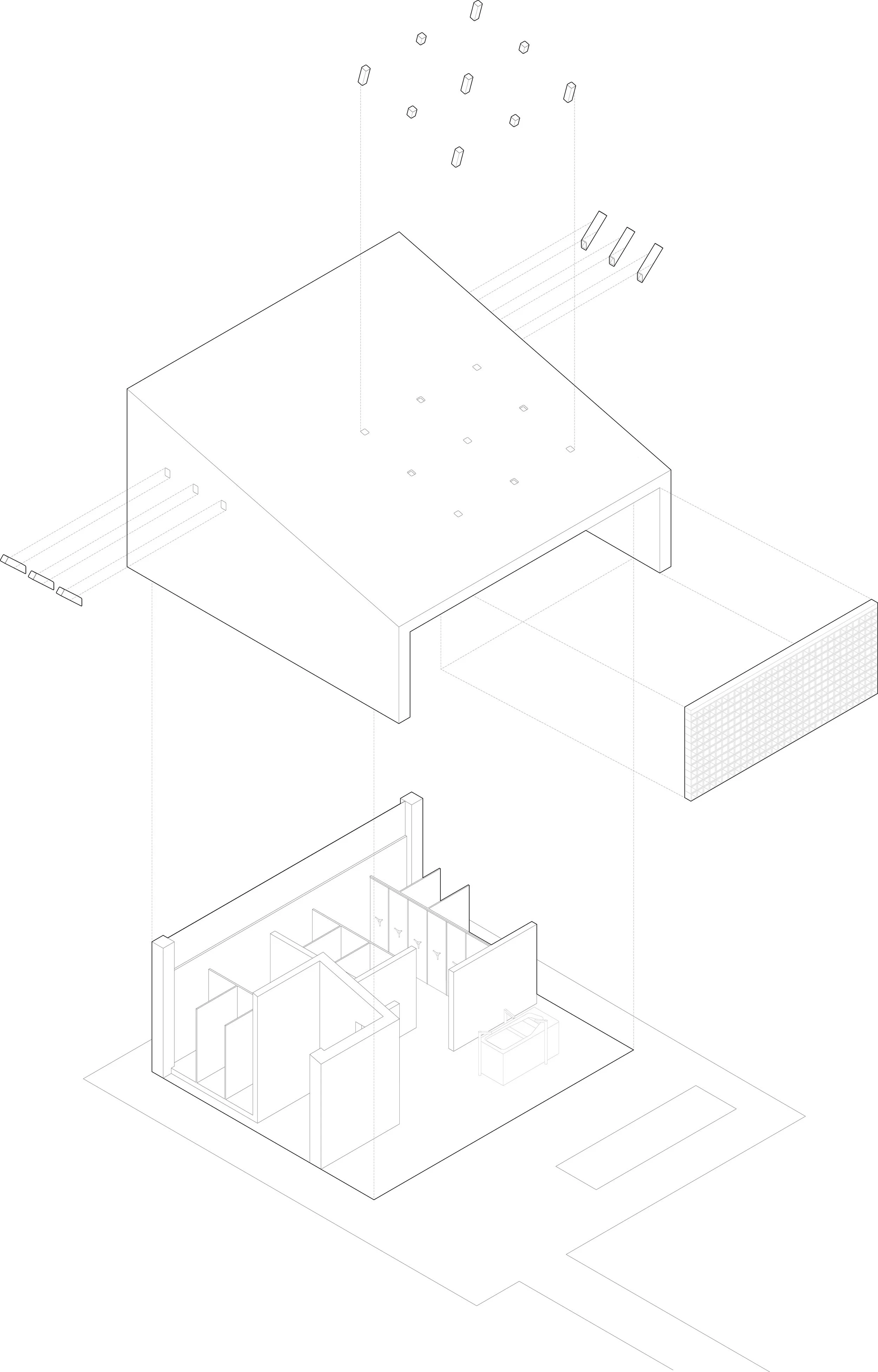
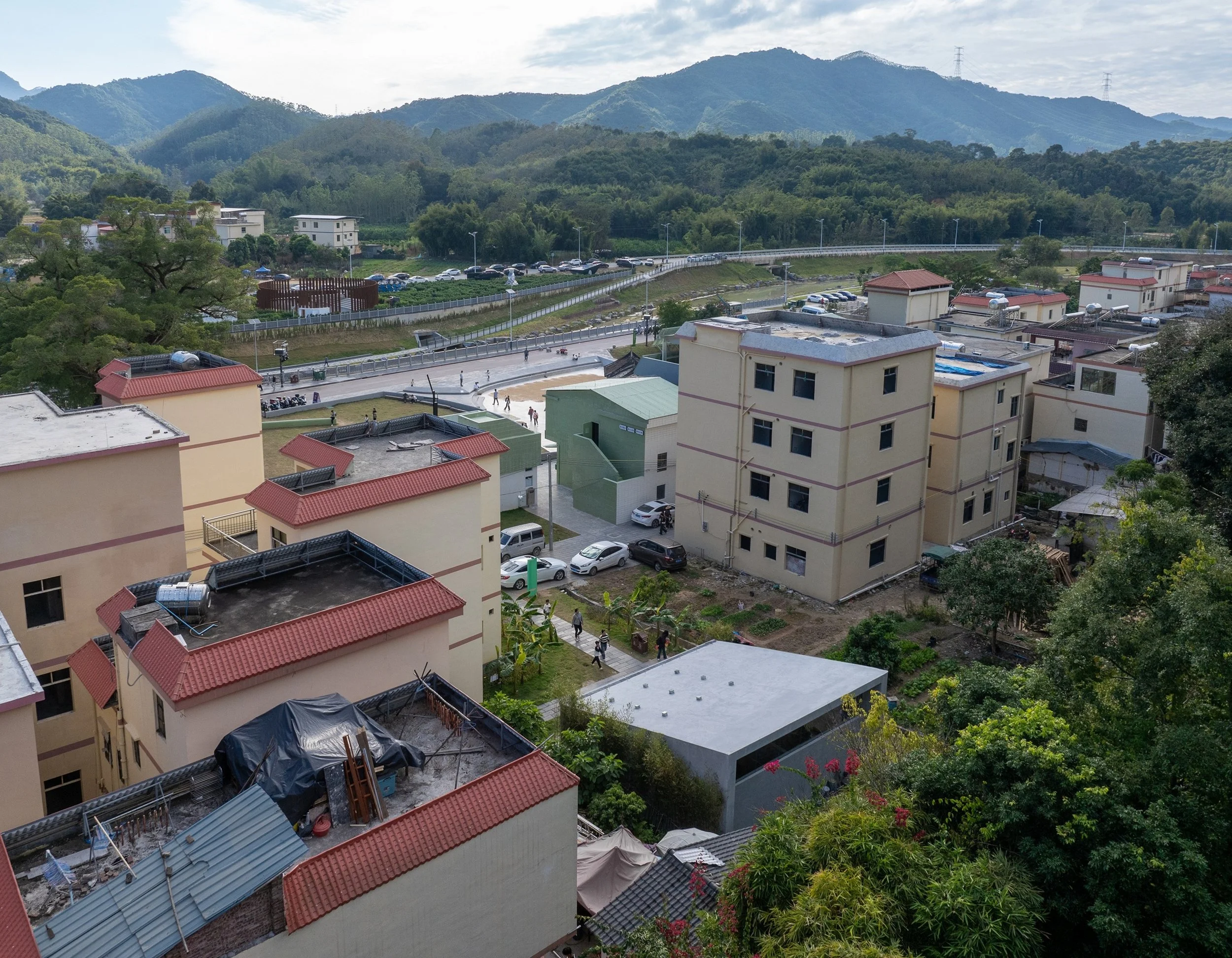
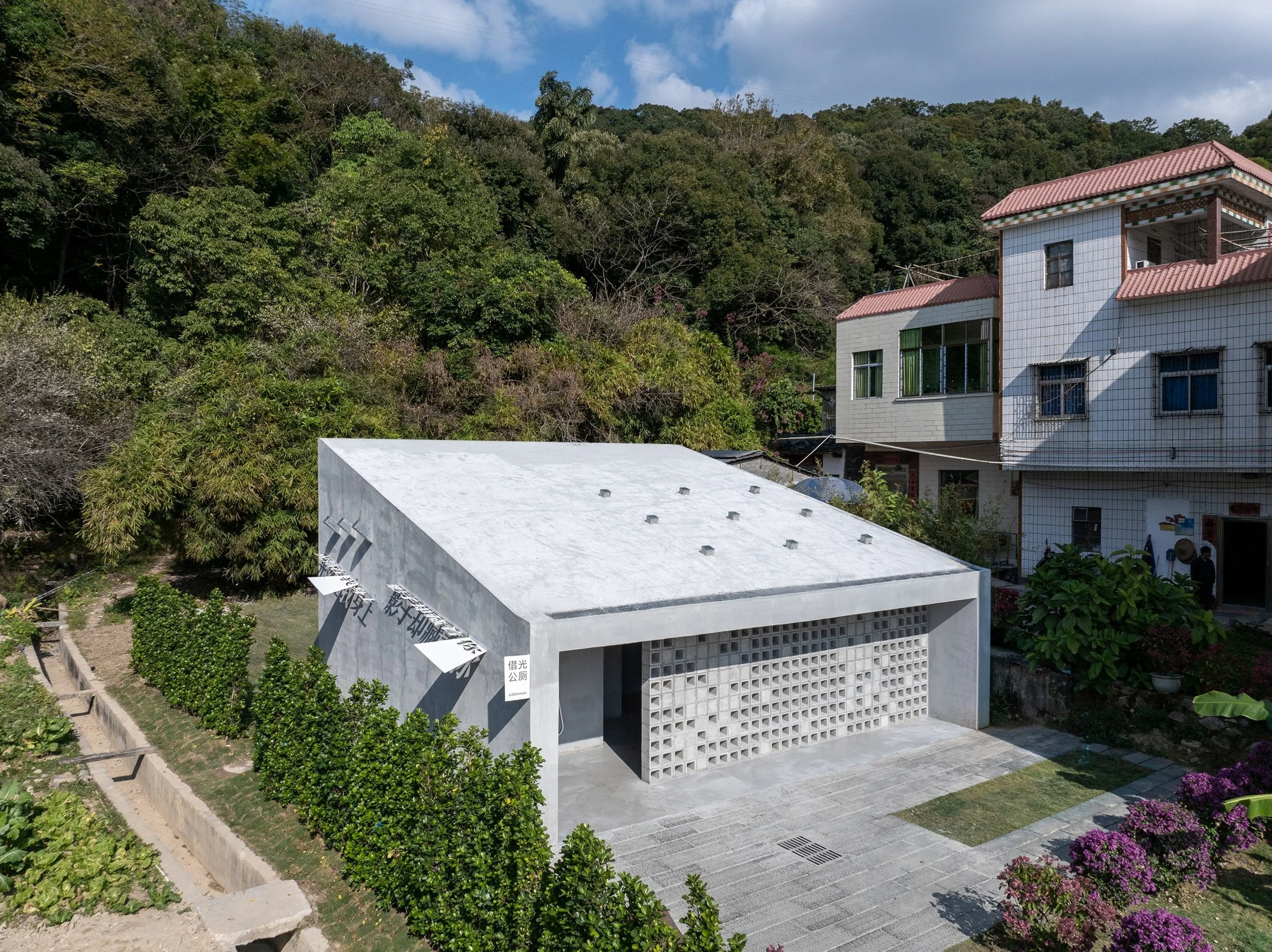
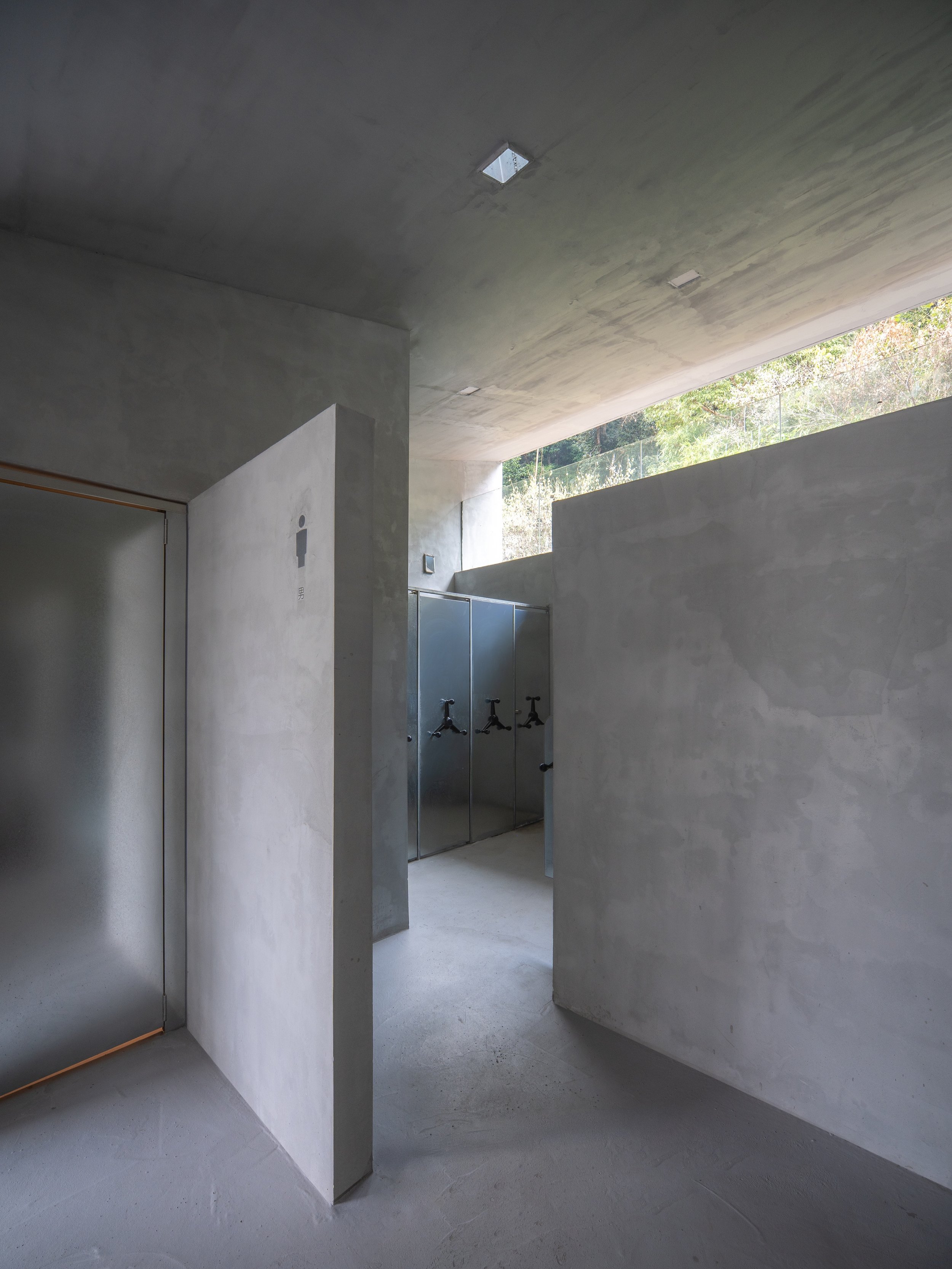
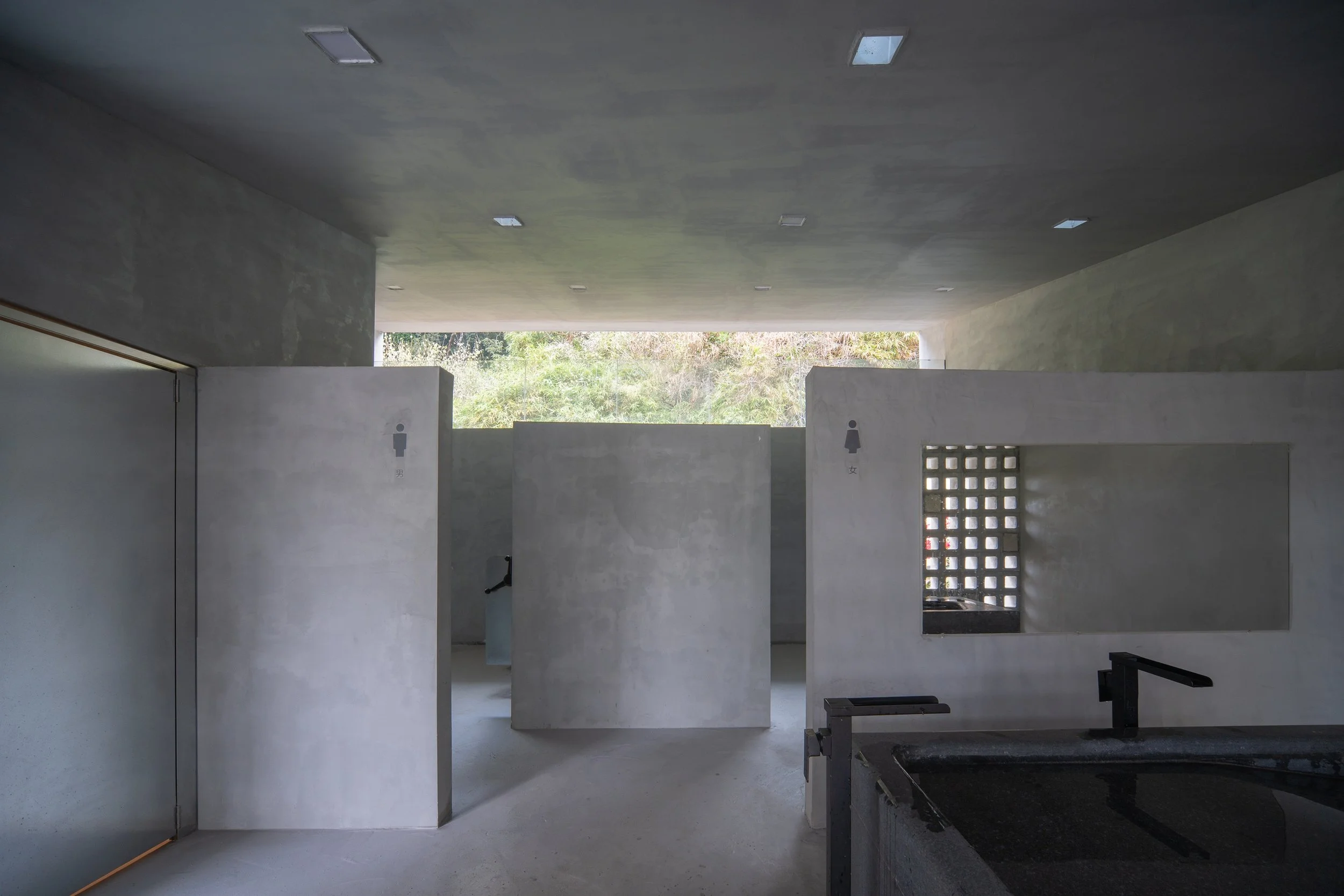
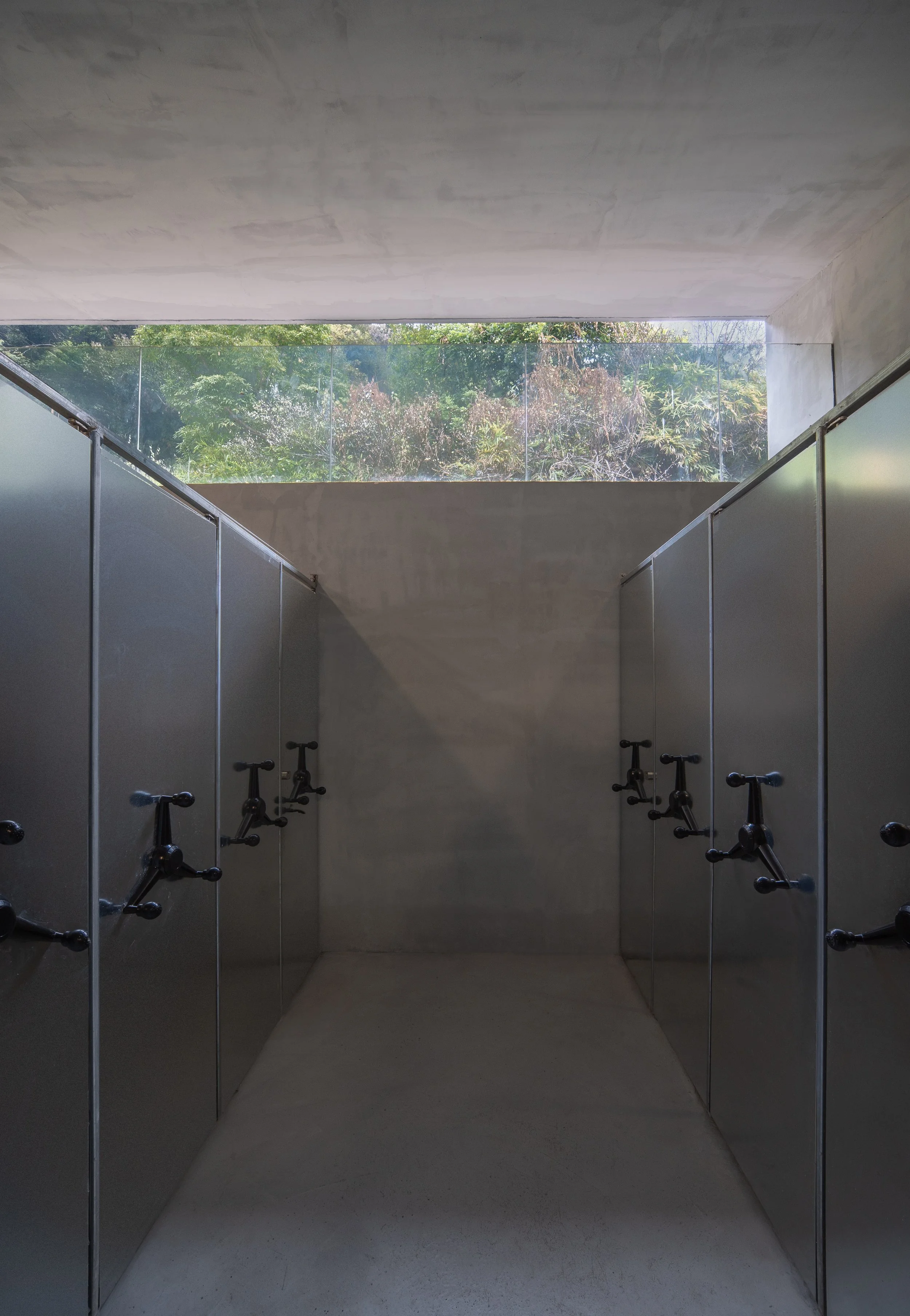
Preserving the original layout and primary structural frame of the existing toilet, the design replaces the complex traditional antique roof with a sleek, contemporary single-slope roof form, which opens up to the lush mountainous landscape to the north, introducing soft natural daylight and prevailing mountain breezes into the interior space.
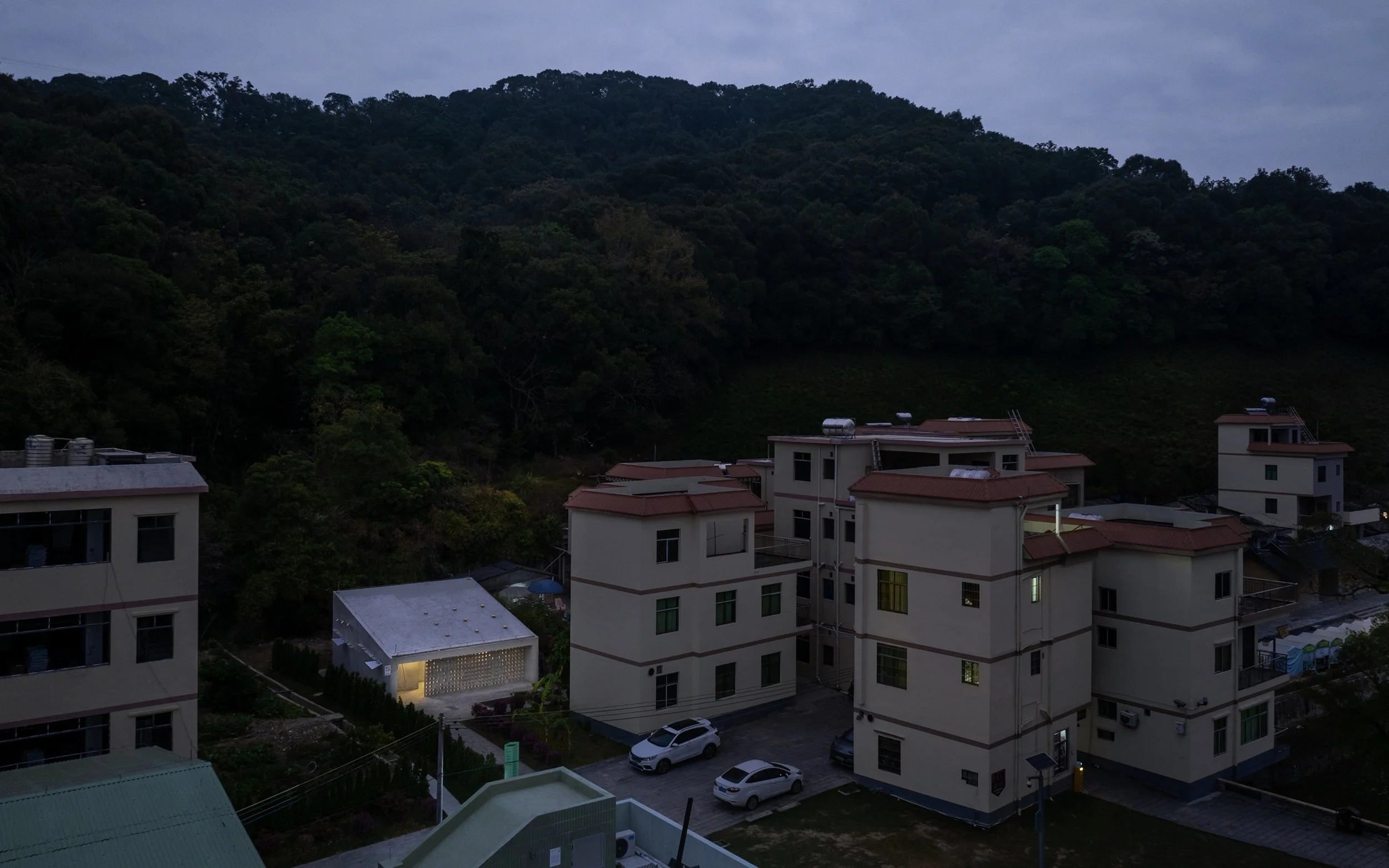
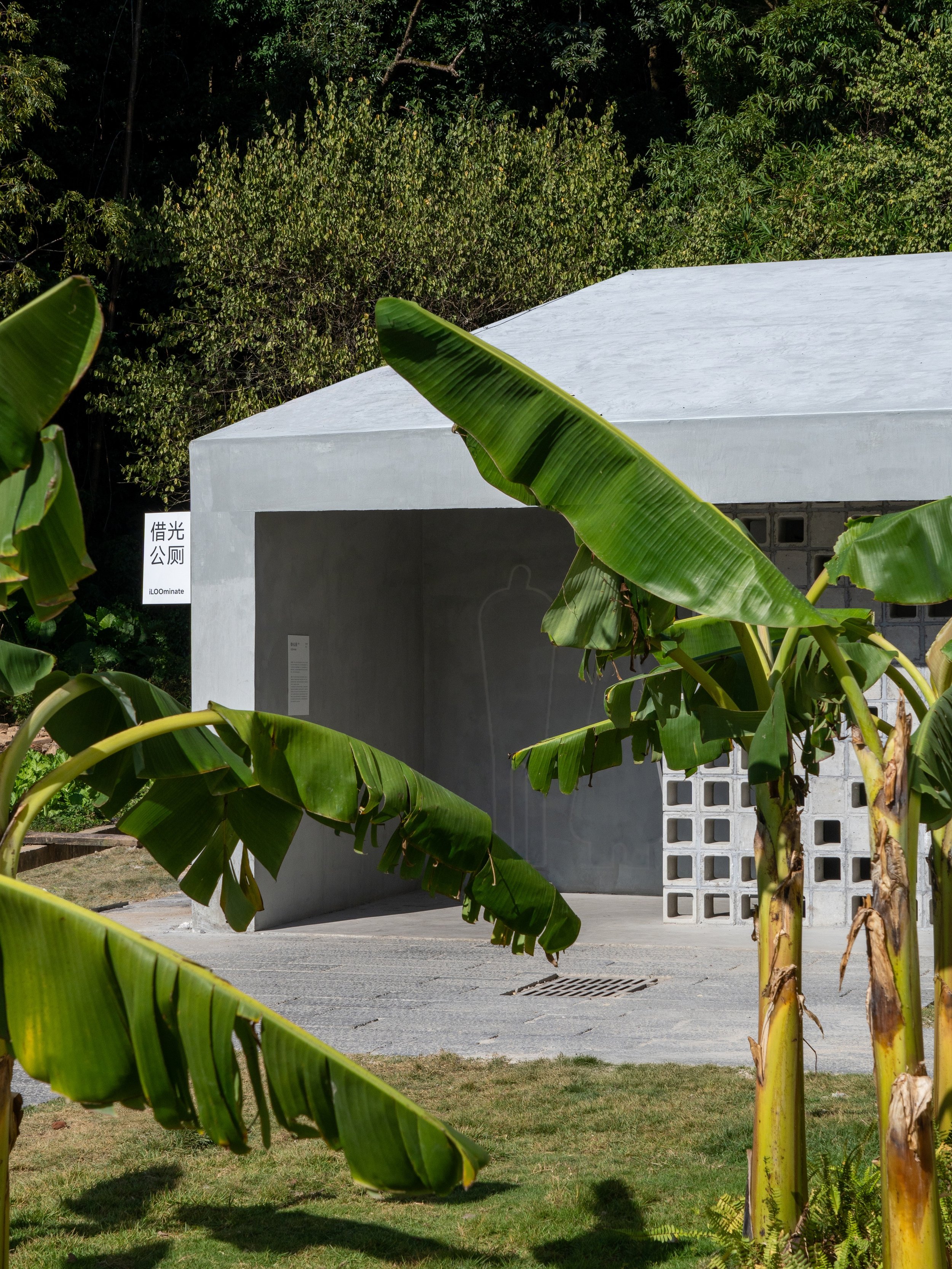
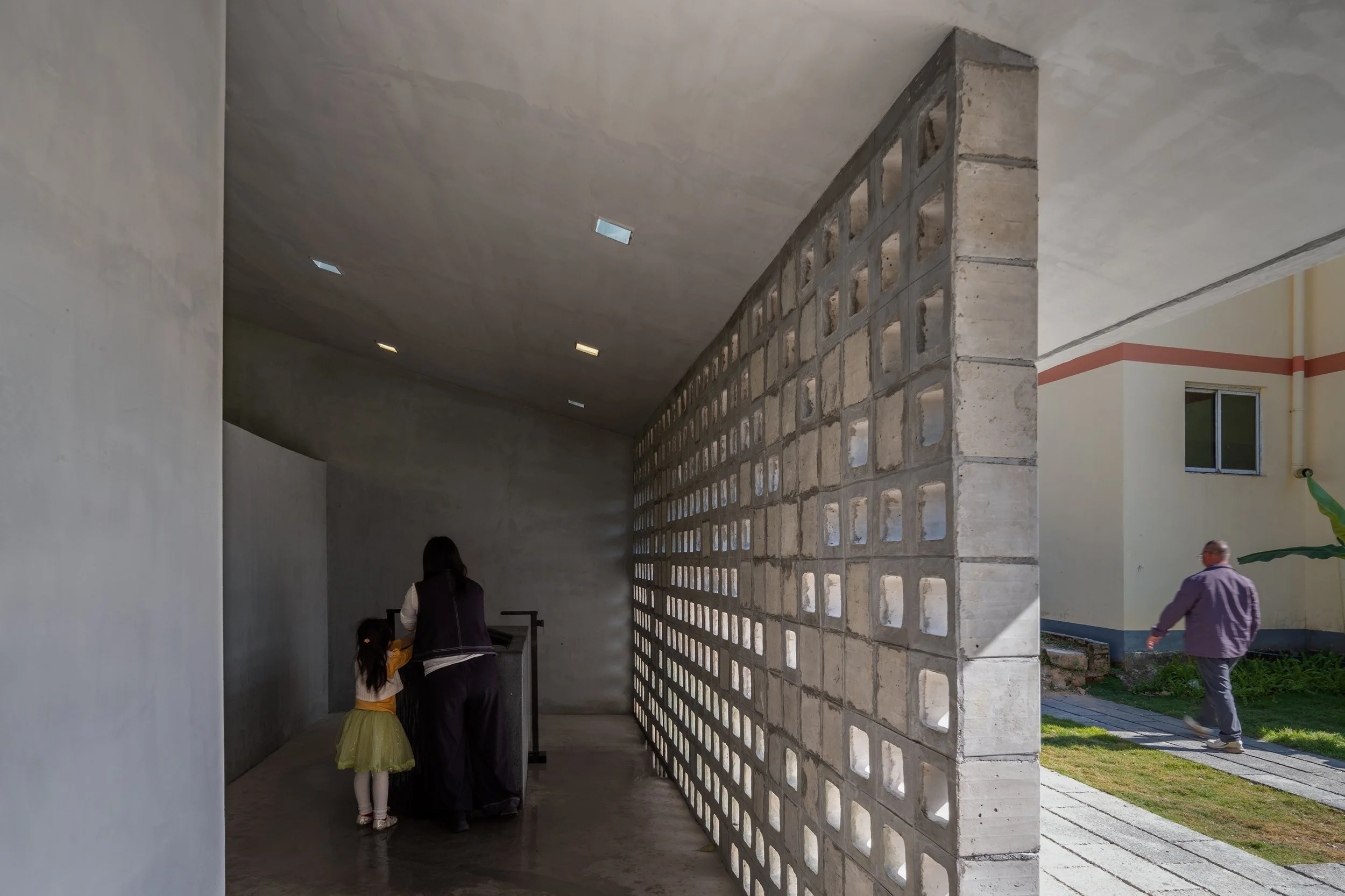
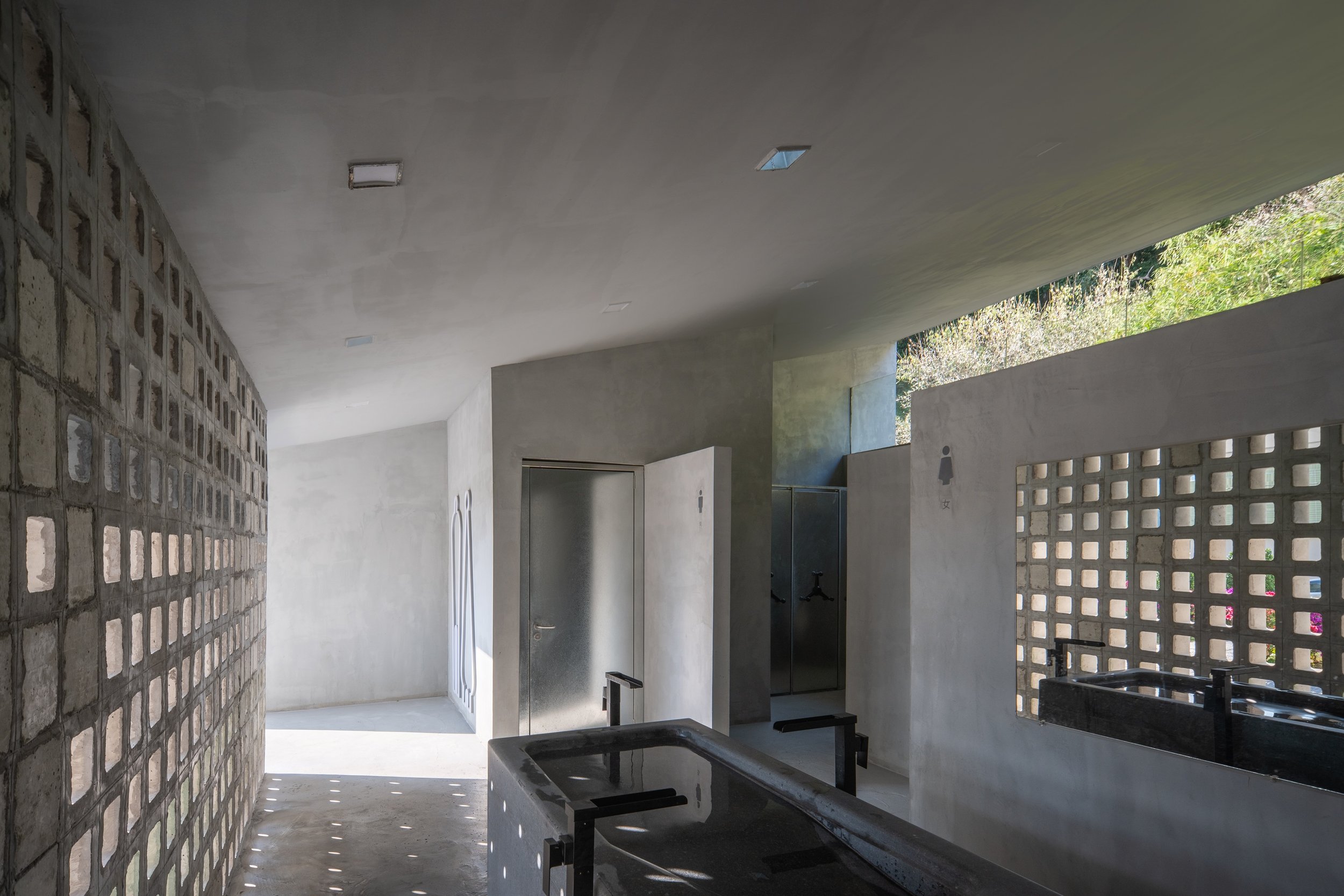
A gallery and sink area is added to the building’s southern portion. Acting as a fluid transitional threshold between the village public plaza and the private toilet spaces, this semi‑open zone faces the village square and the iconic ancient banyan tree, enhancing the building’s accessibility and public character while safeguarding the privacy of the toilet stalls.
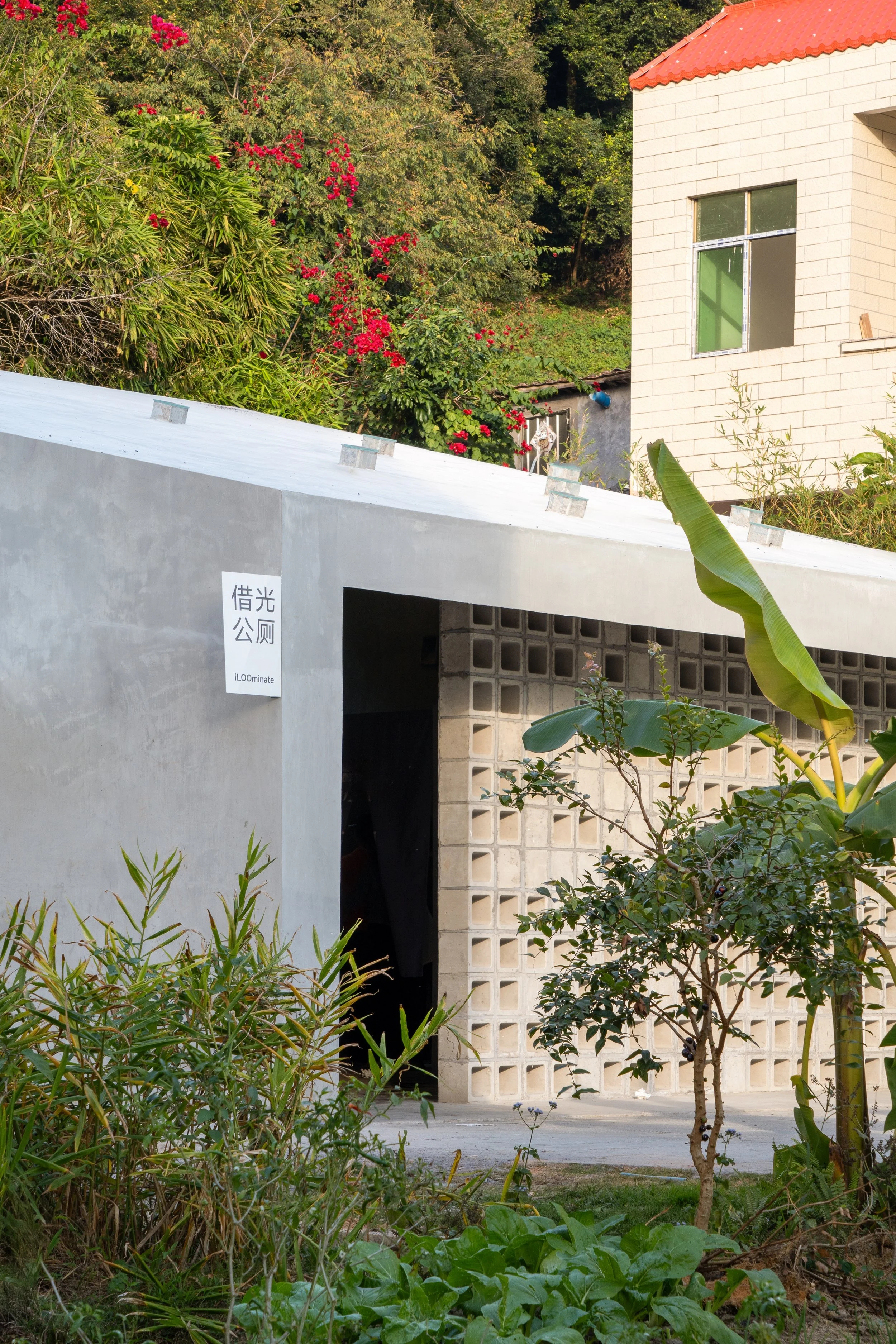
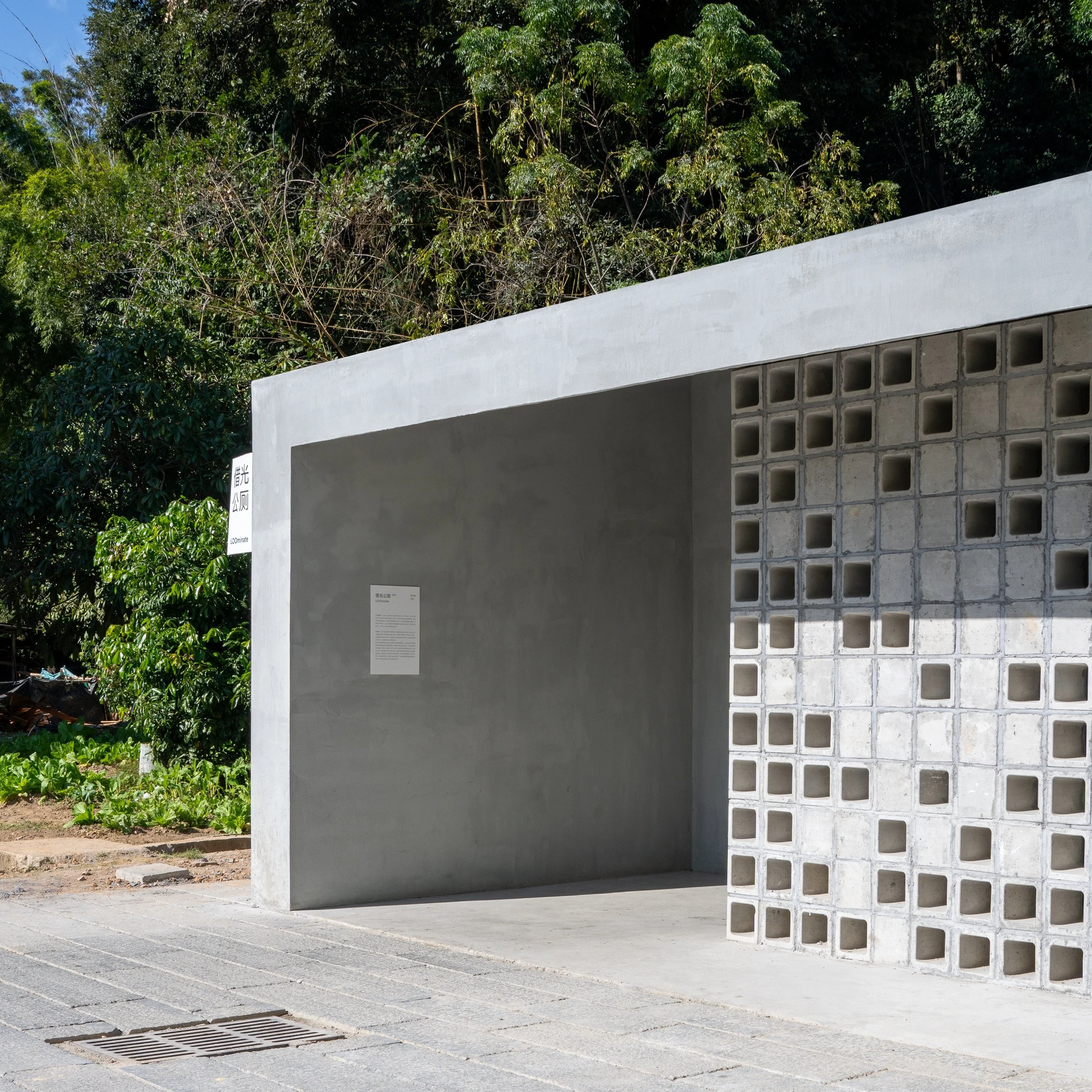
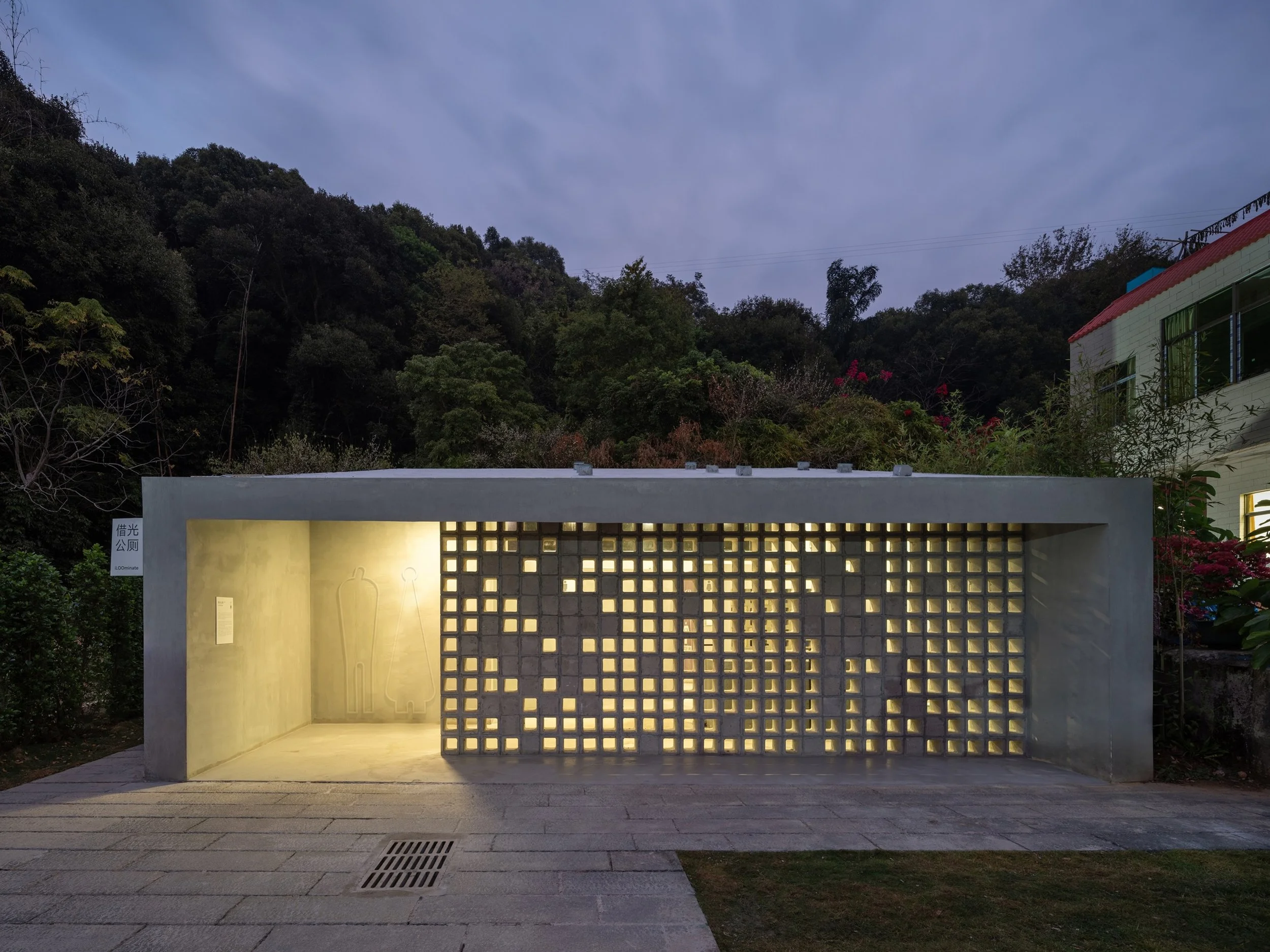
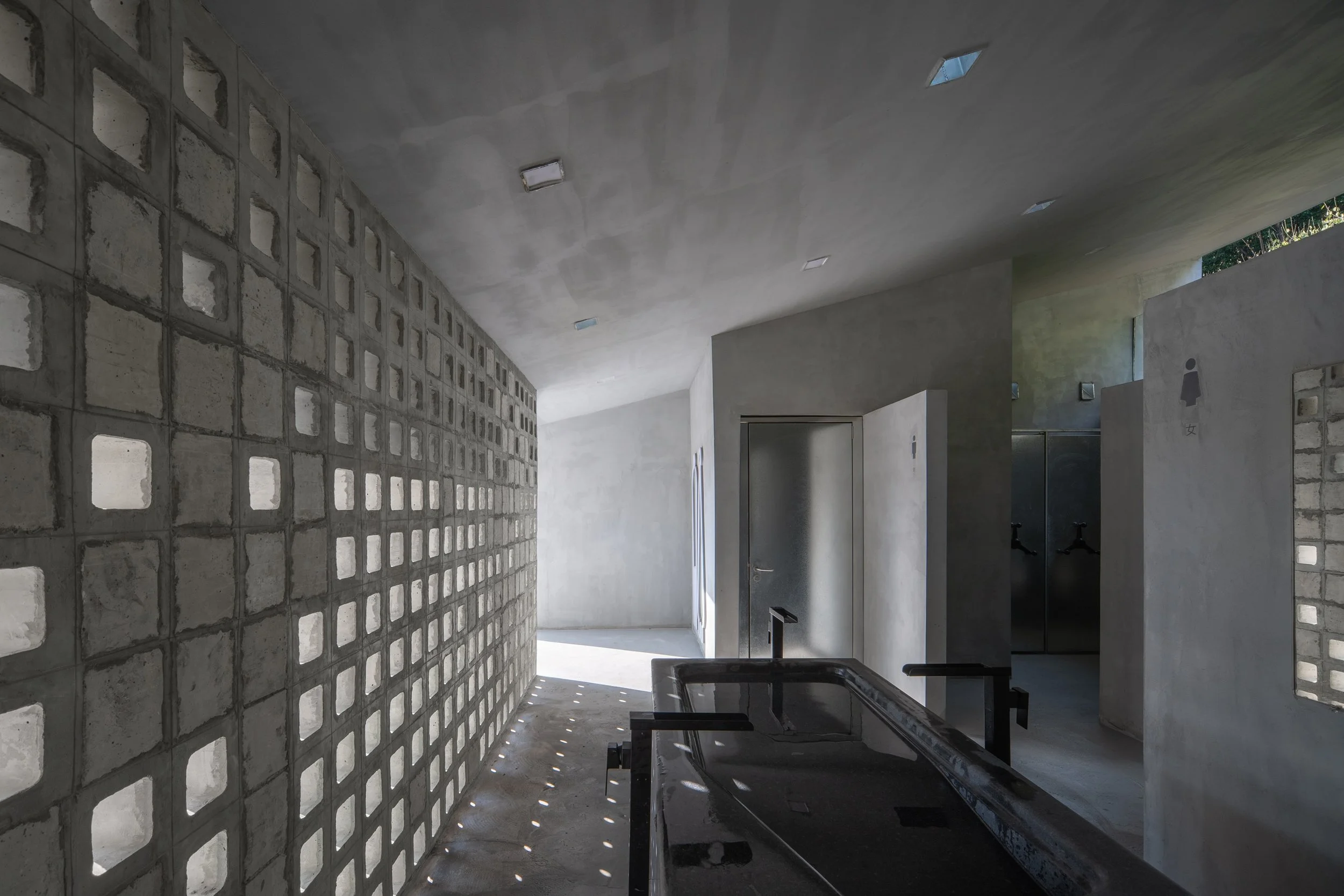
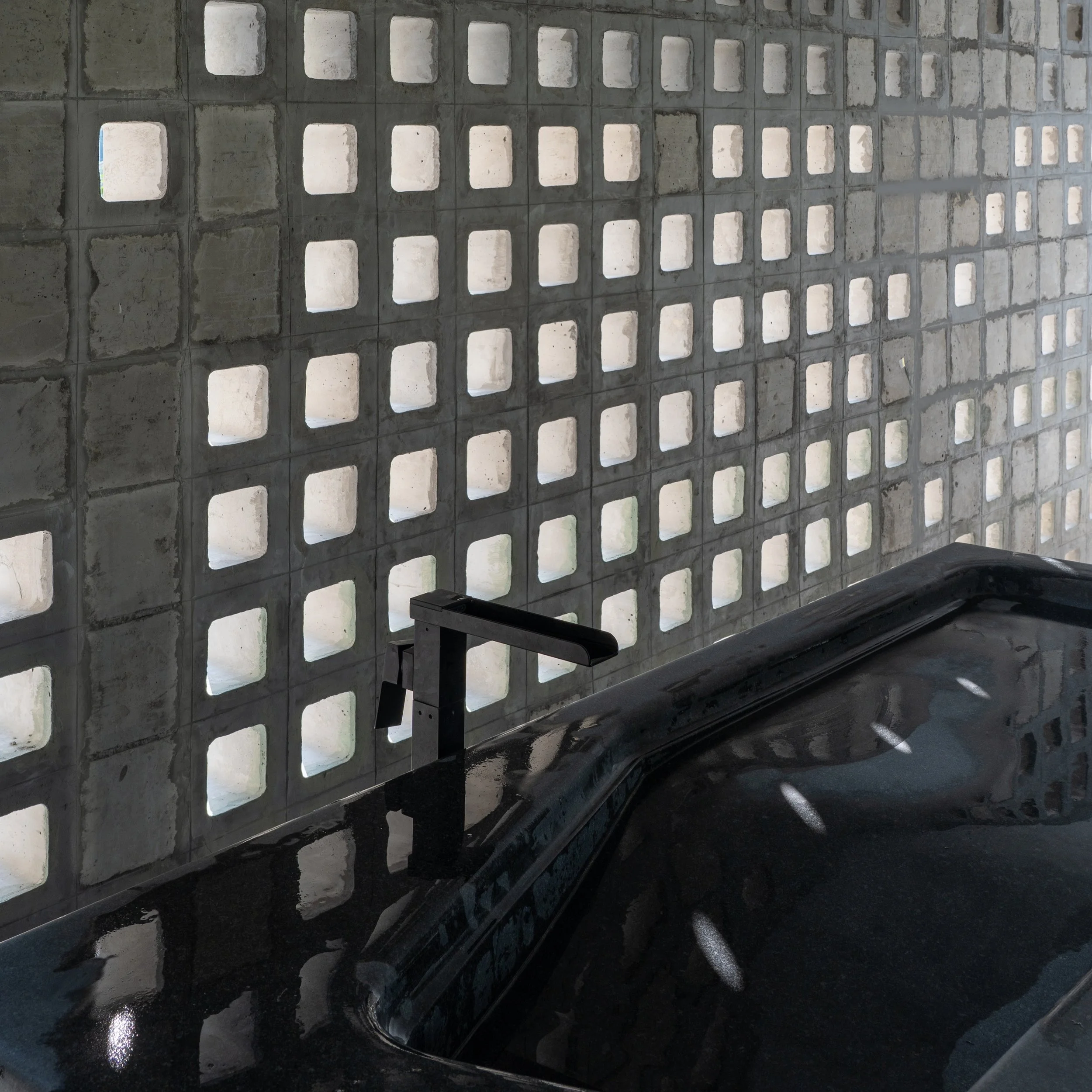
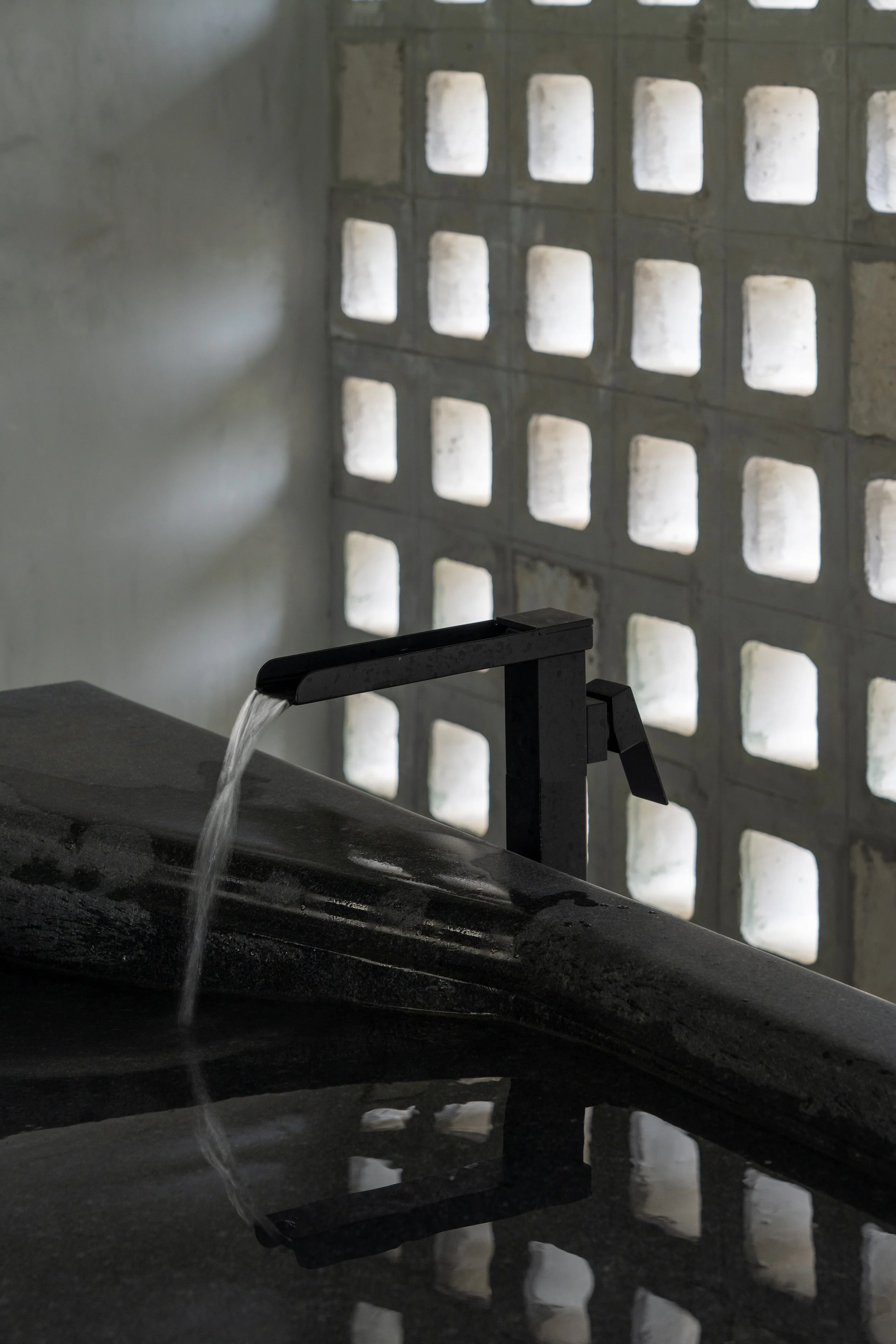
On the south facade, the sink/gallery area features a screen wall built from locally sourced hollow bricks. The interplay of solid brick and void openings preserves privacy for this area, while drawing daylight and cross ventilation into the interior.
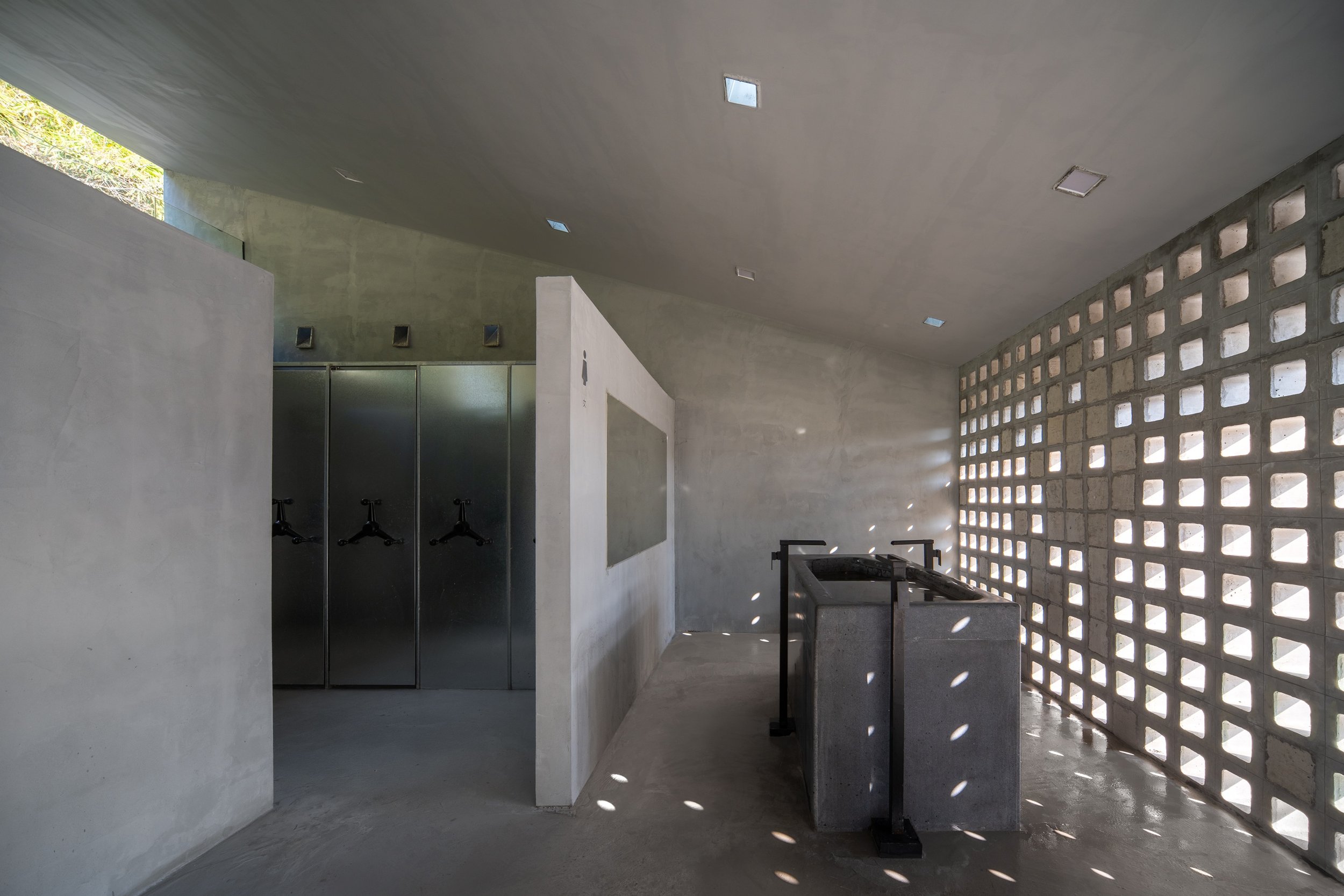
Rooted in Zhongxin Village, the Ancient Banyan Literary Village boasts profound indigenous historical heritage and distinctive contemporary literary connotations. Against this unique cultural backdrop, the project adopts the core design concept of "Light-penetrating Cavities", implementing a strategy of "borrowing light through chiselled openings", referencing an ancient Chinese story about reading by light from a chiselled wall, across four spatial dimensions: side walls, ceiling and facades. A series of small square skylight on the roof illuminates the gallery/sink area, while angled square tubular light scoops on the east and west facades channel natural light deep into individual stalls. This multi-dimensional lighting system substantially optimises indoor daylighting and ventilation, crafting layered, dynamic interior light and shadow effects. It echoes the cross-cultural tradition of reading within quiet, private restroom spaces, and endows this fundamental rural civic facility with profound cultural temperament, transforming an ordinary functional restroom into a subtle, light-infused experiential public cultural space rooted in local literature and nature. Upon completion, this place of borrowed light continues to serve the daily needs of villagers and functions as a quiet rest stop for the growing stream of visitors to the literary village.
借光公厕
“借光公厕”位于中国广东省惠州市龙门县麻榨镇中心村,是“环南昆山 — 罗浮山建筑艺术计划”的配套服务节点之一,在村内老公共卫生间原址上进行了改造升级。前期调研显示,尽管不少村民家中已配有卫生间,但日常仍更偏好使用村内这座唯一的公共厕所。
设计方案在保留原公共卫生间布局和主体结构的基础上,以简洁现代的单坡屋面整合现状复杂的仿古坡屋顶造型,屋面向北侧绿意盎然的山林自然打开,将柔和的自然光和微风引入室内。
在南侧,本次改造新增了展览互动洗手区域,该区域是村内公共广场和卫生间各功能空间的过渡,面向广场和村口千年古榕树打开,增加建筑的可达性和公共性,同时保证厕位空间的私密性。
南侧洗手区立面利用本地常见的空心砖砌筑屏风隔墙,并通过空心砖的虚实变化保证该区域私密性,同时将光和穿堂对流空气引入室内。
中心村为古榕文学村所在地,拥有深厚乡土历史与当代文学渊源;本项目设计中引入了“透着微光的洞”,从侧壁、顶面等四个不同方位凿壁借光;建筑顶部则设有方形小天窗打亮洗手展览区,东西两侧通过设置成角度的方形采光小凸窗将自然光引入对应的厕位内部,以改善室内自然采光和通风,多维度打造丰富的室内光影效果,呼应如厕阅读的文化传统,为日常最基础的功能性空间注入精神隐喻。项目落成后,该公厕既服务本村村民的日常使用,也成为络绎不绝的游客短暂休整的落脚点。